At What Age Can Kids Start Playing Paintball? A Complete Guide for Parents
You're scrolling through birthday party ideas when your 10-year-old mentions paintball. Your first thought? "Absolutely not." Your second? "Wait... is that even safe for kids?" You're not alone. Most parents picture grown adults running around shooting each other with paint-filled projectiles, and honestly, that mental image isn't exactly comforting. But here's what might surprise you: paintball has become one of the fastest-growing youth activities, with modifications that make it completely appropriate for children. The key is knowing what age-appropriate paintball looks like and finding the right environment for your child.
When Can Kids Start Playing Paintball?
The short answer? It depends on the type of paintball and your child’s maturity and personality. Different formats exist for different age groups, each with specific equipment and safety modifications.
Low-Impact Paintball (Ages 6-8)
For the youngest players, low-impact systems like gel blasters provide the perfect introduction. These gel blasters aren’t really paintball markers either. They use water-absorbing polymer balls that dissolve on impact, eliminating any mess or cleanup. The markers are lighter, easier to handle, and the whole experience feels more like an advanced water gun fight than traditional paintball. These systems work perfectly for birthday parties, summer camps, or just backyard fun. Games are typically shorter since younger kids tire quickly and lose focus.
Youth Paintball and Airsoft (Ages 9-12)
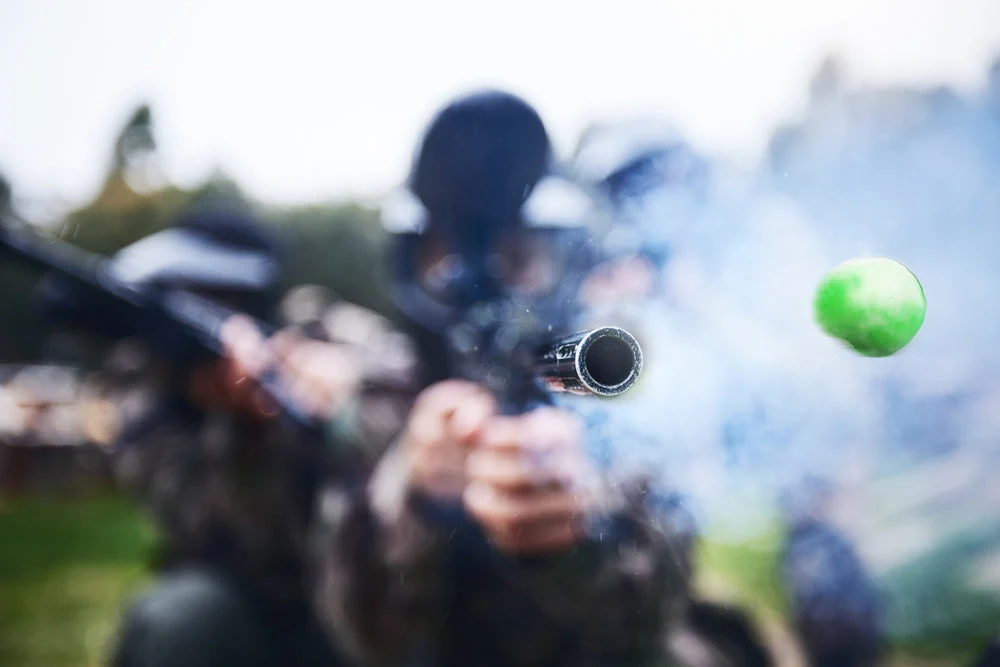
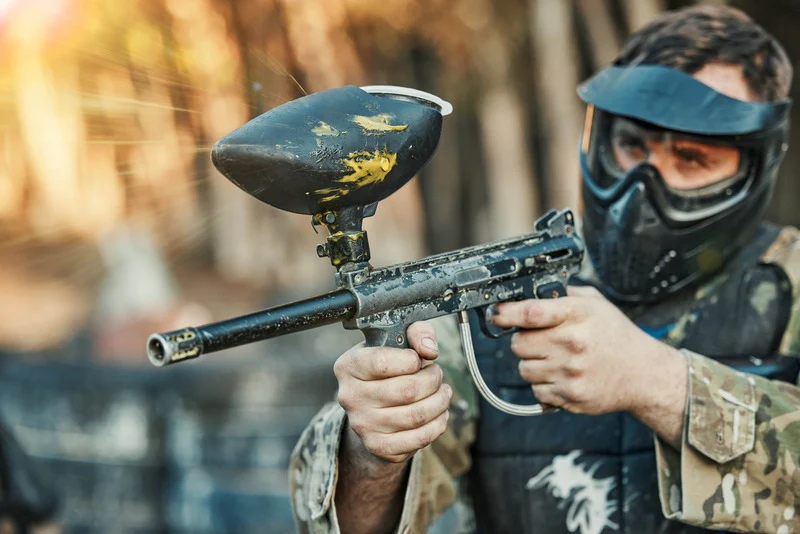
This is where many kids get their first taste of "real" paintball, though with significant modifications. Fields that cater to this age group typically reduce marker velocity to 200-250 feet per second instead of the standard 280+. That might sound like a small difference, but it dramatically reduces impact force.
Another great option for kids may be airsoft which uses plastic BBs instead of paint-filled gelcaps, creating less mess and often feeling less intimidating for newcomers. The airsoft guns are usually lighter and easier for smaller hands to manage. Youth games also feature modified rules. Many fields implement a "surrender" rule where players within 10-15 feet must accept elimination rather than being shot at close range. It reduces the sting factor while maintaining the tactical elements kids love.
Teen Paintball (Ages 13+)
Once kids hit their teens, they can typically handle standard paintball equipment with minor modifications. They're physically stronger, more coordinated, and better at following complex safety rules. This age group can participate in competitive leagues and tournaments. Many fields offer teen-specific groups that bridge the gap between youth modifications and full adult play. It's where serious players often discover whether they want to pursue paintball competitively.
Safety First for Young Players
Let's address the elephant in the room: safety. Parents worry about injuries, and rightfully so. But youth paintball incorporates multiple layers of protection that make it statistically safer than many common youth sports.
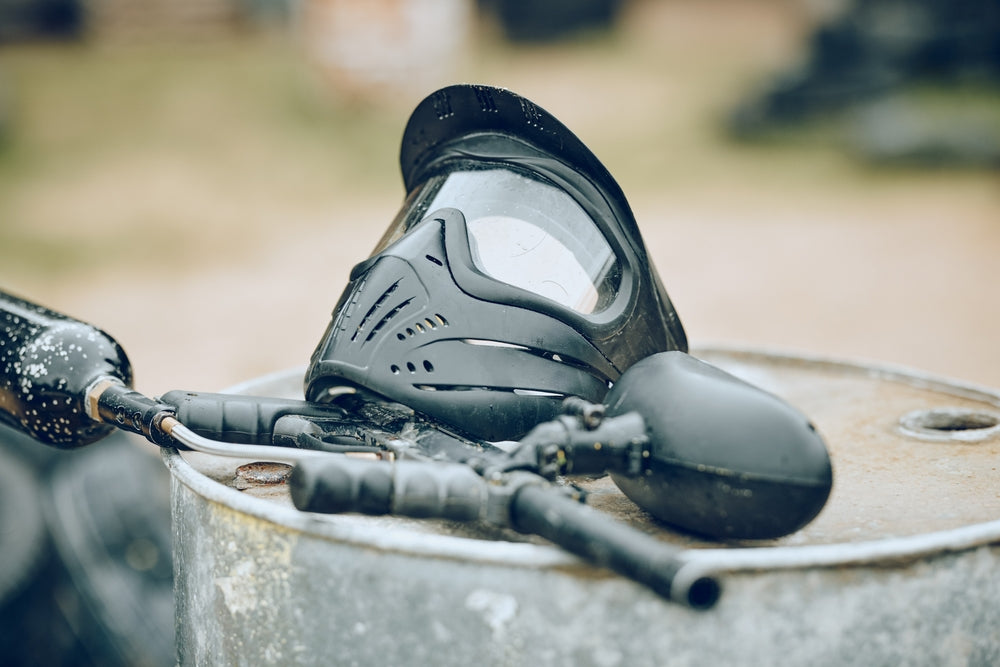
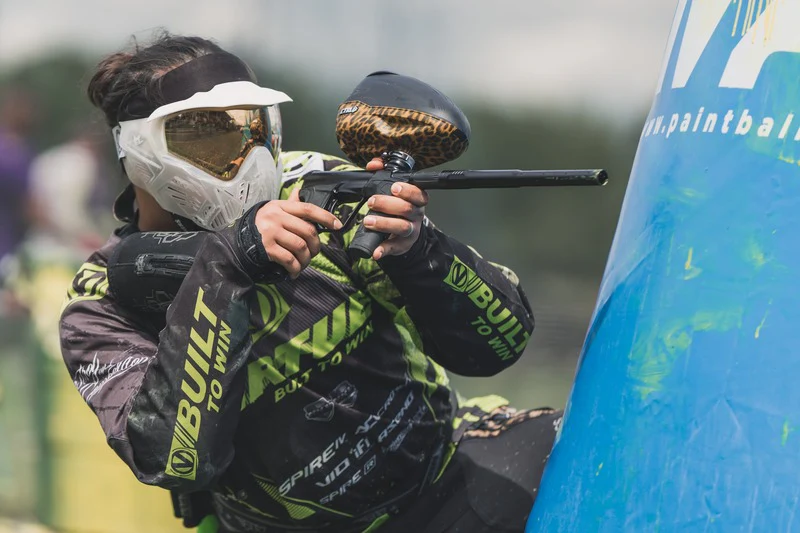
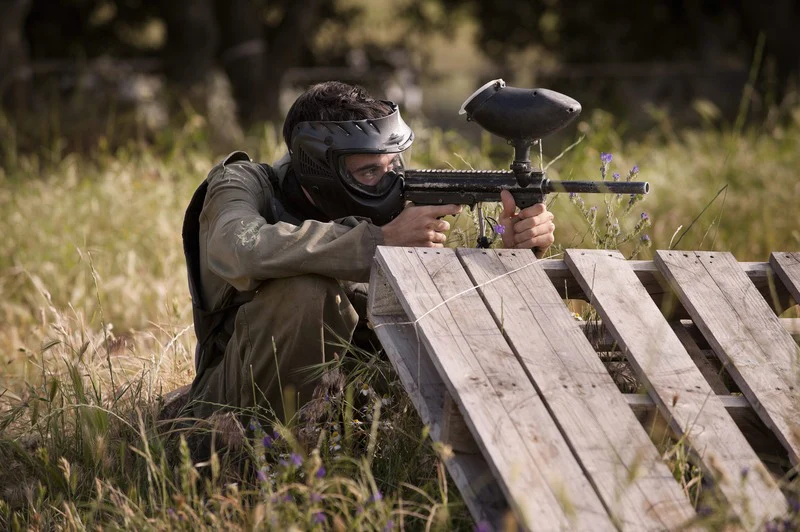
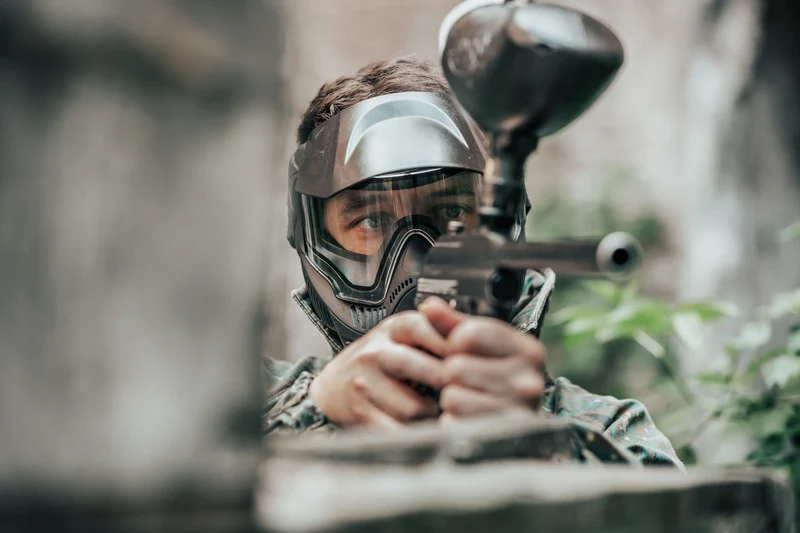
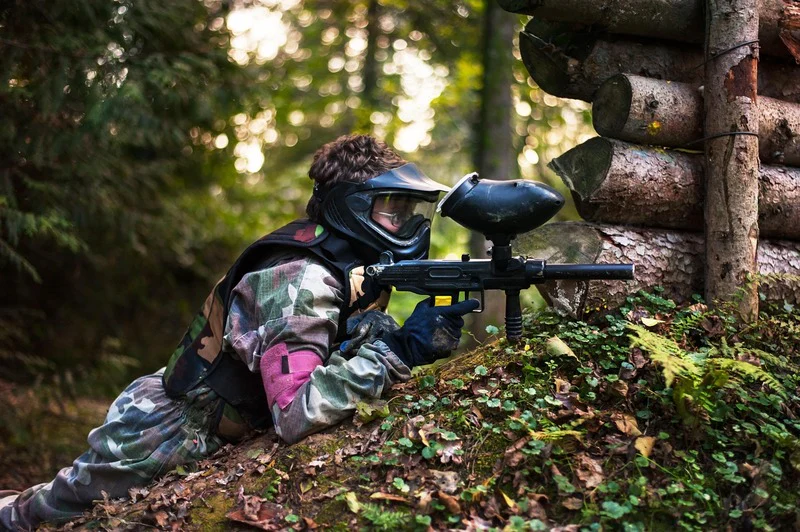
Full-face protection is absolutely non-negotiable for any age. Both adult and youth paintball players must wear masks that protect the entire face and ears. However, the youth masks are specifically designed for smaller heads and often include extra padding. Padded clothing makes a huge difference in comfort level. Some fields require additional safety gear for younger players, while others simply recommend long sleeves and pants. Regardless of the field rules, parents are always well within their rights to set their own additional safety standards for their children.
Beyond physical safety, not every 10-year-old is ready for paintball, even with modifications. Consider your child's maturity level, competitiveness, and ability to follow instructions under pressure. Some kids thrive on competition but struggle with elimination. Others handle losing fine but get overwhelmed by the sensory experience of markers firing around them. You know your child best.
Field and Game Modifications for Younger Players
Youth games happen on smaller fields with more cover and shorter sight lines. This keeps games fast-paced while ensuring better supervision. Referees can see and control the action more effectively. Rule modifications often include no head shots and mandatory surrender distances.
How to Find Kid-Friendly Paintball Fields and Events
Not all paintball fields cater to youth players. Some focus exclusively on adult recreational or tournament play. Finding the right facility makes all the difference in your child's experience.
Dedicated youth programs are the gold standard. Fields that regularly host kids understand the unique requirements: lighter equipment, modified rules, patient staff, and appropriate facilities.
Staff training matters enormously. Youth coordinators should understand safety protocols and how to manage groups of excited kids. Ask about staff qualifications and experience working with children. If you're planning a birthday party or group event, ask about party packages and food options. Finally, look for online reviews from other parents; look for mentions of safety, staff attitude, cleanliness, and how well the facility handles youth groups.
Essential Gear for Kids Playing Paintball
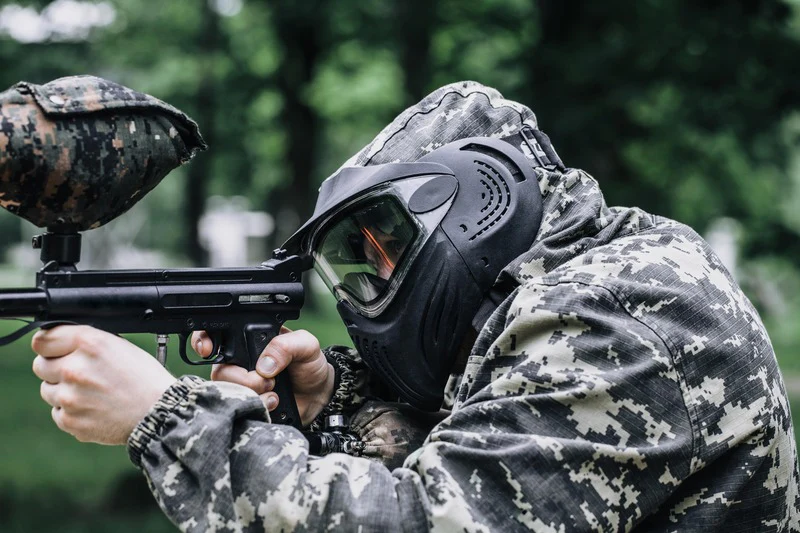
The mask is the most critical piece of equipment for paintball at any age. Most fields will rent masks, however it is still good to call ahead and make sure. The mask must fit properly without gaps or sliding. Youth-specific masks account for smaller head sizes and often include additional padding. Beyond masks, appropriate clothing means long sleeves, long pants, and closed-toe shoes with good traction. Some fields provide chest protectors or require them for younger players. Clothing should be comfortable but not too loose—you don't want anything catching on equipment. Avoid sandals or any open-toe footwear.
Answering the Tough Questions About Kids and Paintball
"Is Paintball Too Violent for Children?"
This concern makes perfect sense, but consider the distinction between sport and violence. Paintball emphasizes strategy, teamwork, and sportsmanship. Players follow strict rules, respect opponents, and celebrate good plays regardless of which team makes them.
The tactical thinking involved in paintball actually provides educational benefits. Kids learn planning, communication, problem-solving under pressure, and quick decision-making. These skills transfer to academic and social situations.
Compare paintball to contact sports like football, hockey, or even soccer. The injury rates are typically lower, and the environment emphasizes controlled competition rather than physical domination.
"What About the Cost?"
Youth paintball costs vary widely depending on location and program type. Basic sessions can range from $25-45 (or more) per person, including equipment rental. Birthday parties and group events often offer package pricing. Expect to spend additional money on paintballs, food, and transportation. Compared to other youth activities like travel sports, martial arts, or music lessons, paintball can be quite reasonable, especially since it doesn't require ongoing weekly commitments.
"Will My Child Get Seriously Injured?"
It would be irresponsible for us to give a definitive “no.” However, paintball is a very safe sport–the risk of injury is relatively low, even though the paintball impacts are mildly painful. There is a difference between actual injury like a concussion (which rarely happens in paintball and frequently happens in football), and a welt (which rarely happens in football but always happens in paintball). With any sport, there is a certain baseline risk that must be weighed against the developmental well-being of your child, and only you can make that decision.
The most common injuries are minor bruises, similar to what kids might get from playground activities. Serious injuries are rare and usually result from not following safety protocols. Proper equipment, appropriate supervision, and rule enforcement minimize risks significantly.
Most fields carry comprehensive insurance and have trained first aid staff on site. However, check with your health insurance provider about specific coverage for sporting activities.
Conclusion and Next Steps
The right age for your child to start paintball depends on their maturity, interest level, and your comfort as a parent. Low-impact options work well for kids as young as 6-7, while standard youth programs typically start around 9-10. Safety modifications make modern youth paintball dramatically different from what you might imagine. Proper equipment, trained supervision, and age-appropriate rules create an environment where kids can have fun while still staying safe.
Start by researching local fields that specialize in youth programs. Visit facilities, ask questions, and trust your parental instincts. The right program will welcome your questions and demonstrate its commitment to safety.
Ready to explore youth paintball options? Visit Lone Wolf Paintball for age-appropriate equipment recommendations and guidance on finding the perfect introduction to this exciting sport for your child!